

 ES
ES  DE
DE  FR
FR  IT
IT 


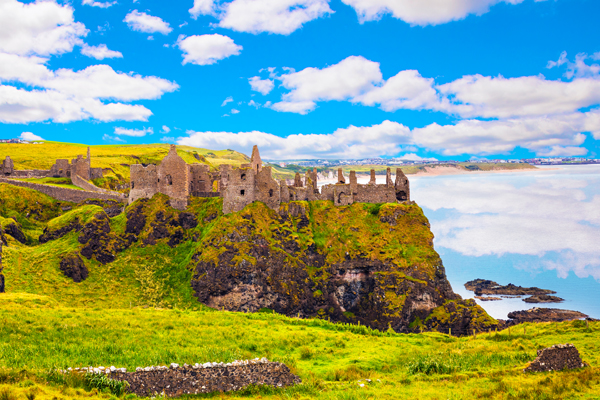








In winter, the green isle is transformed into a landscape of crisp air, frozen fields, moody skies, and snow-dusted peaks. A cold but undeniably atmospheric backdrop for hiking enthusiasts. And is there a better feeling than coming back from a long hike through the cold into a warm and cozy home or cafe to recharge and recapitulate your adventures? All over Ireland, there are great hikes that you can still do during the winter and which offer a quieter, more magical side of the Irish outdoors. Because the weather is less predictable and the days are shorter, however, there are some things you have to consider when planning your hikes. In this post, we’ll let you know about the best areas for winter hiking in Ireland and how to stay safe during your trip.
Source: Rebecca Clarke on Unsplash
Wicklow Mountains National Park
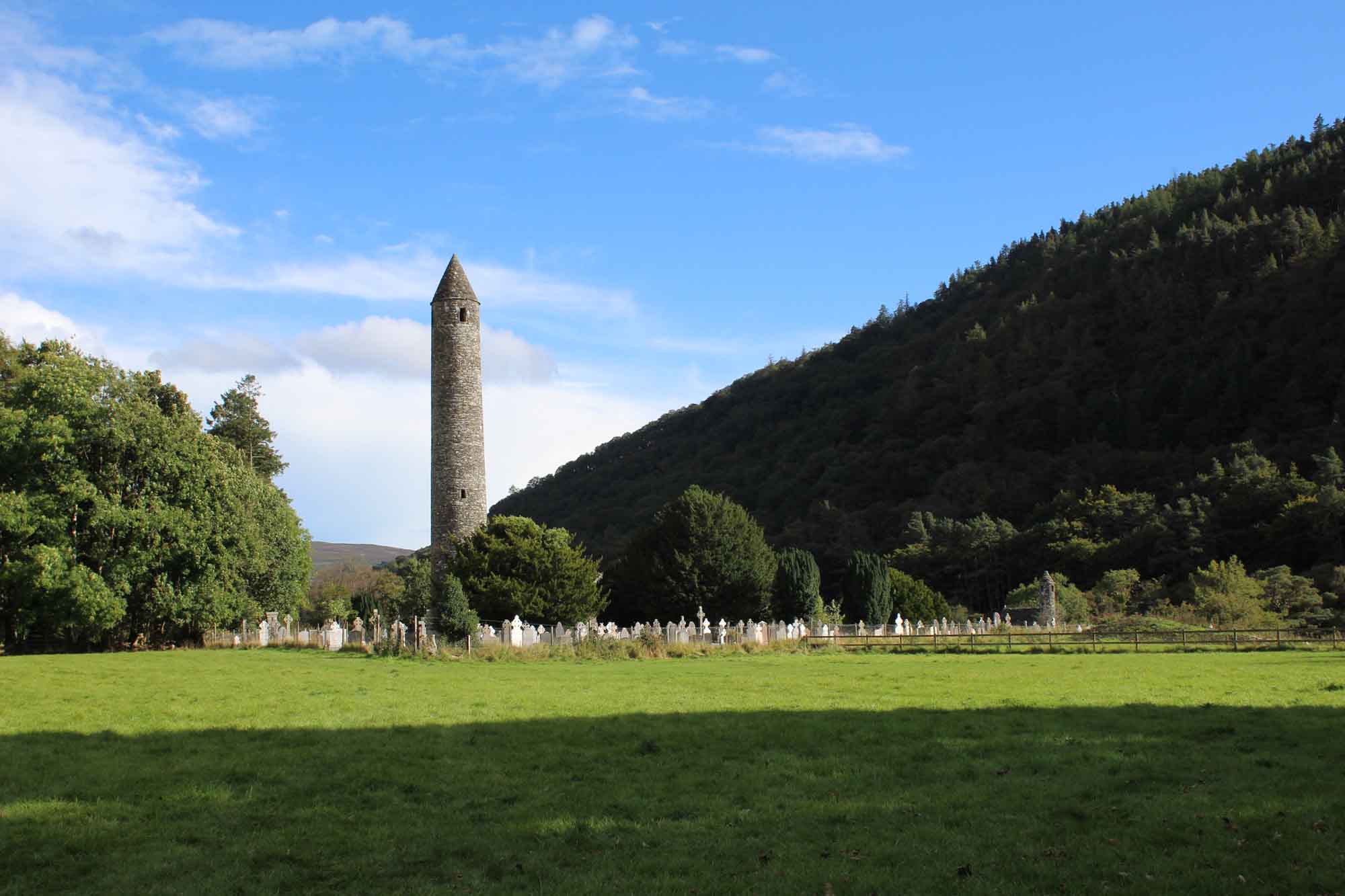
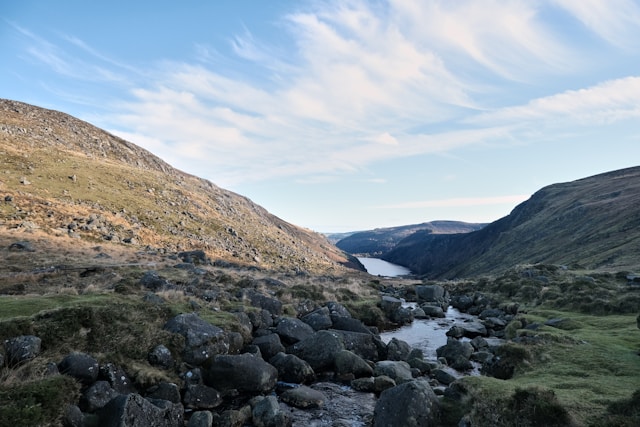
Glendalough and the area around it are beautiful all year, but their beauty only intensifies in winter: Walk the Spinc boardwalk to get spectacular views over Glendalough Valley, the Wicklow Uplands, and the Upper Lake, which adds a serene sparkle to the valley, especially on frosty mornings. The 8.8 km hike includes a quite steep path up by Poulanass Waterfall, a boardwalk, wooden steps, and a rocky trail on your way down. All of which adds variety and fun to the trail but also makes it a bit more challenging in the winter: Take care when the boardwalk is slippery, watch your steps on the rocky trail, and make sure to return before it gets dark.
Source: Cameron Cress on Unsplash
Slieve League and the Cliffs of Moher
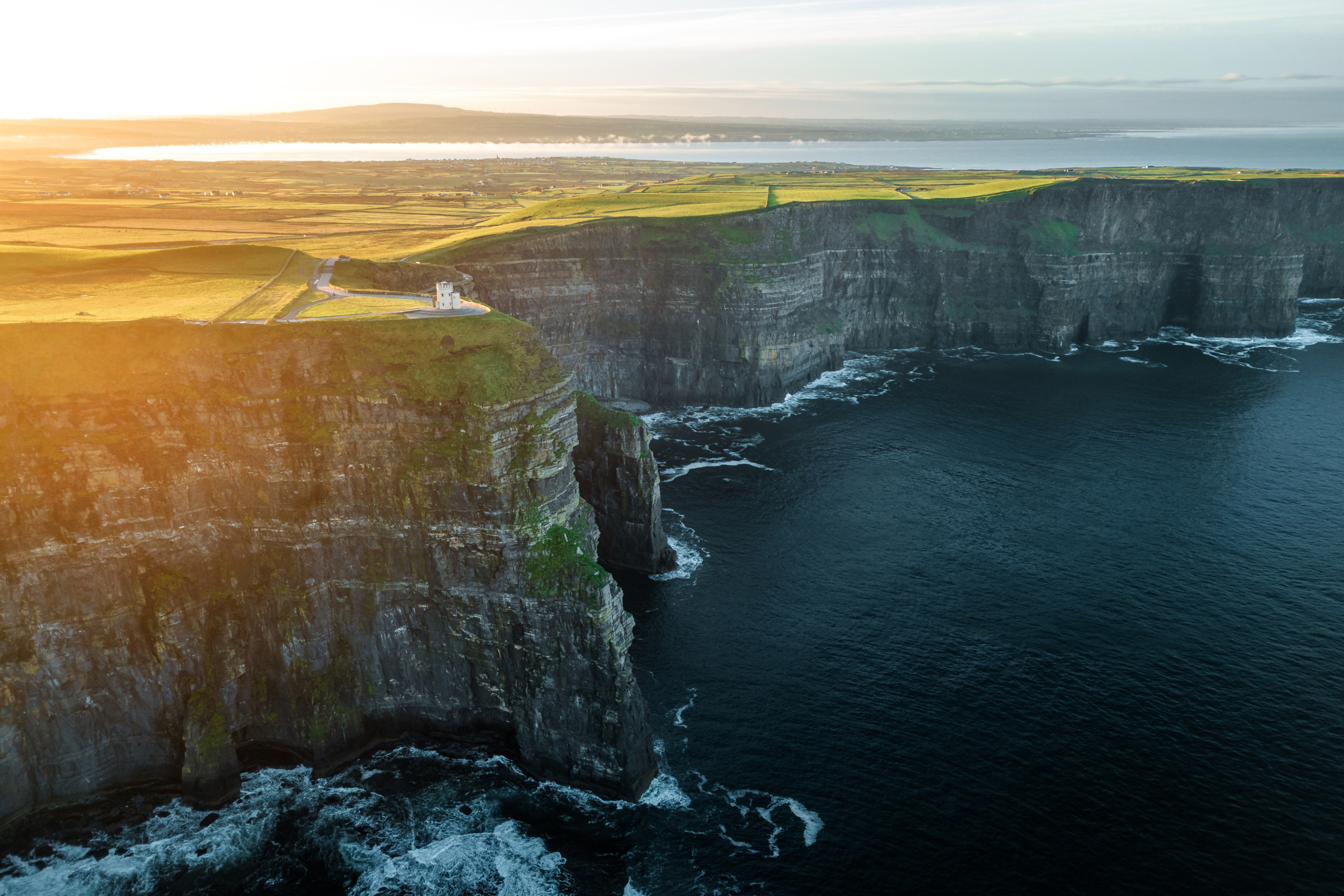
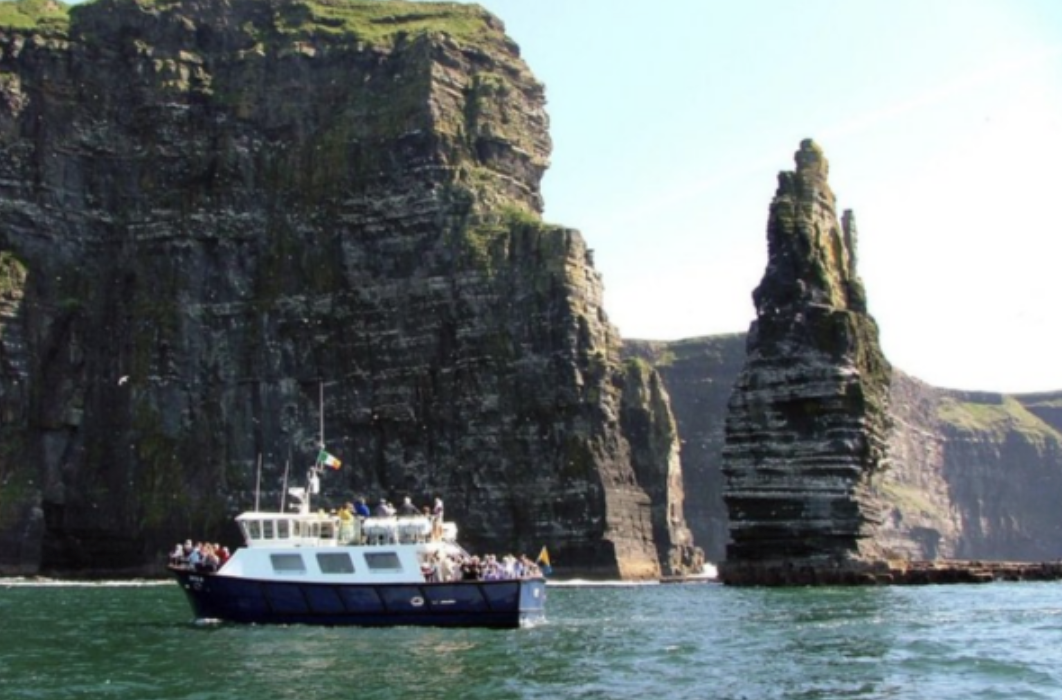
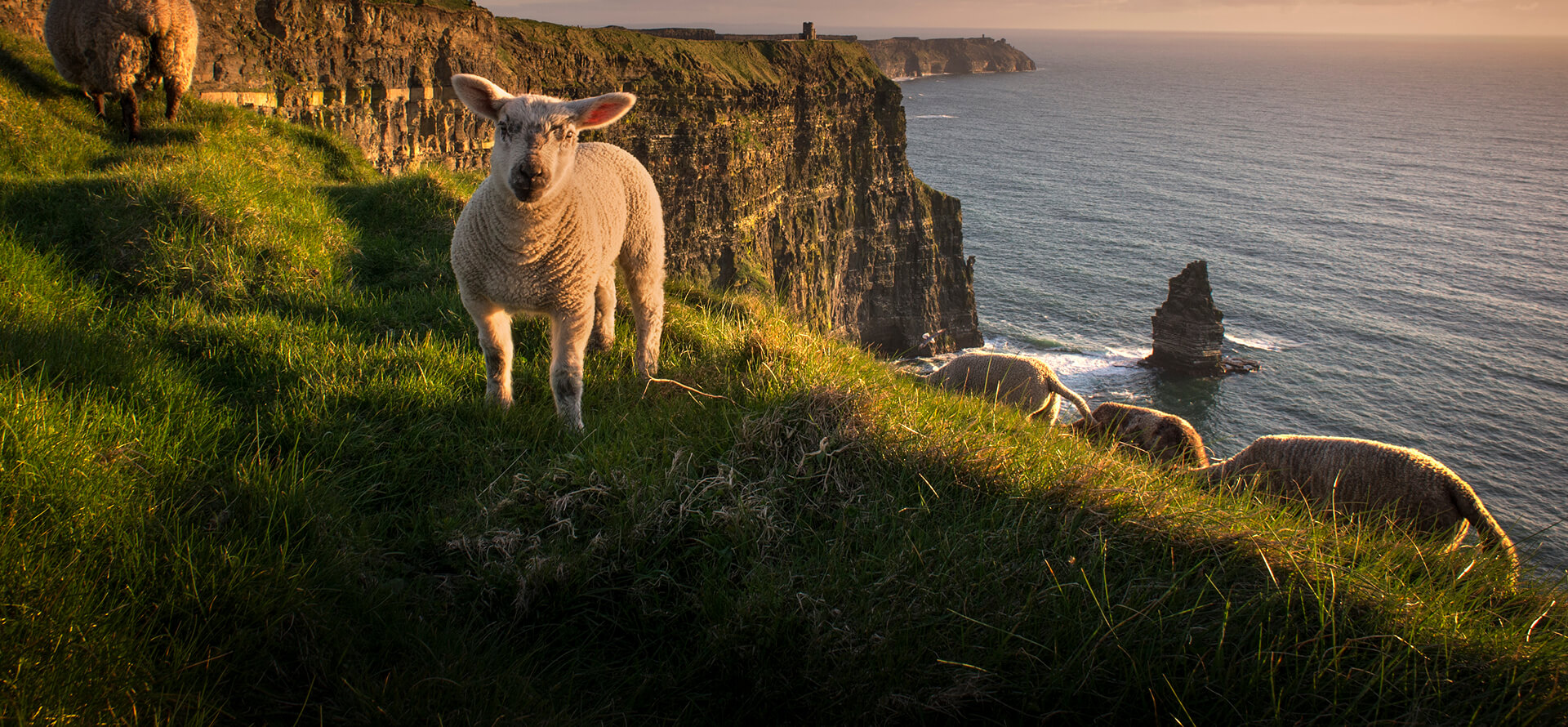
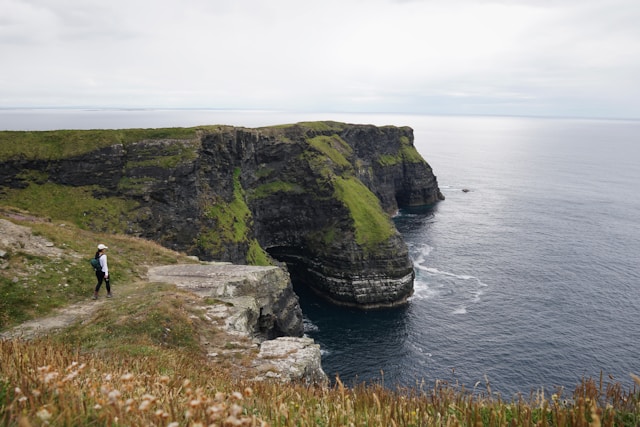
Less serene but more raw and impressive are some of the highest cliffs in Ireland, even more so during winter. During spring and summer, especially the hikes around the Cliffs of Moher are busy with tourists wanting to see the UNESCO site with their own eyes – which makes winter a much more quiet time to visit. You have to take into account, however, that the already strong winds at the cliffs are even stronger in winter. So definitely stay on the marked paths and in safe distance from the edge of the cliffs! When you’re cautious and dressed in warm clothes, the combination of solitude, the crashing waves, and the endless view over the Atlantic make the cliff trails in Ireland a unique and memorable winter hike.
Source: Colin C Murphy on Unsplash
Hike up to Ireland’s highest peak Carrauntoohil
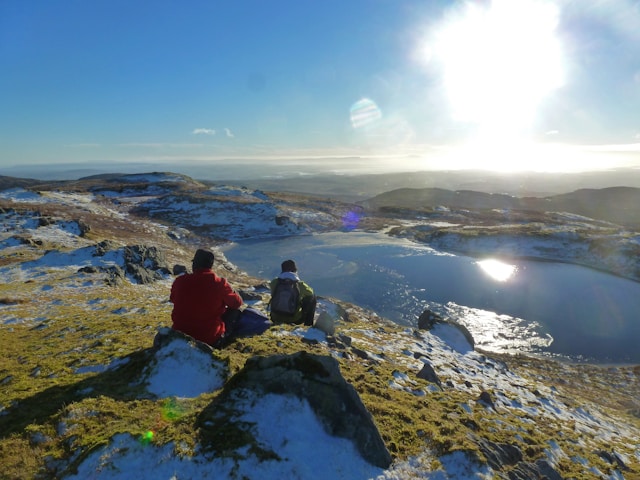
This 12.7 km trail is suitable for a bit more seasoned hikers, especially when winter weather makes the climb more exhilarating and unpredictable. It is therefore also advised to only climb the mountain when the weather is clear and there’s neither fog nor snow on the peak. While the mountain looks its most dramatic with a white snowcap, the winter hike is definitely worth it without it: from the peak you’ll have a view of the surrounding mountains, hills and lakes, all glistening in the winter cold – and you’ll have the area almost all to yourself.
Source: Andreas Wagner on Unsplash
Diamond Hill in Connemara National Park
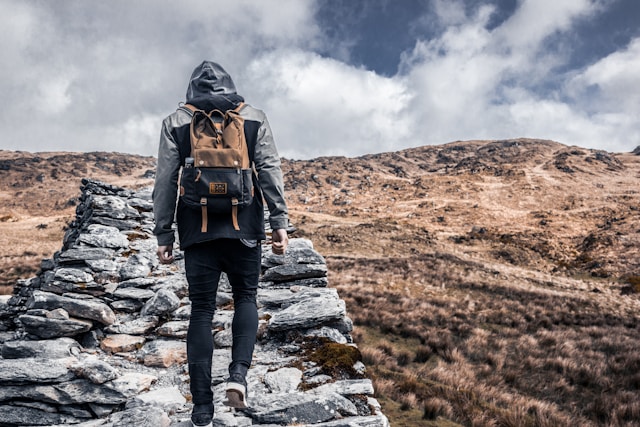
A shorter winter hiking opportunity which is also suitable for occasional hikers or families can be found on Diamond Hill in Connemara. The loop trail is not too steep but it still gives you sweeping views over the Twelve Bens and some ocean inlets in the distance. Here, you’ll also find other, a bit shorter trails if you’re just there for the views or a quick leisurely walk. Whatever you choose, you’ll be able to enjoy the ride through the seemingly endless landscapes of hills and valleys on your way to Diamond Hill.
How to Prepare for Winter Hiking in Ireland
As you can see, there are plenty of opportunities for winter hiking in Ireland. The season, however, requires a bit more preparation and caution than the rest of the year: Wear various layers of clothing suitable for activity – with a wind and waterproof jacket as an outer layer. This way you don’t get cold when it’s freezing or windy but you can still take off a layer or two when you get hot from hiking. A hat, gloves and a scarf are also useful when the temperatures drop. The most important gear: the right shoes. While you should always wear robust hiking boots with a good profile when in the mountains, it’s even more important when the trails get slippery from rain and ice during winter.